How to design the mold
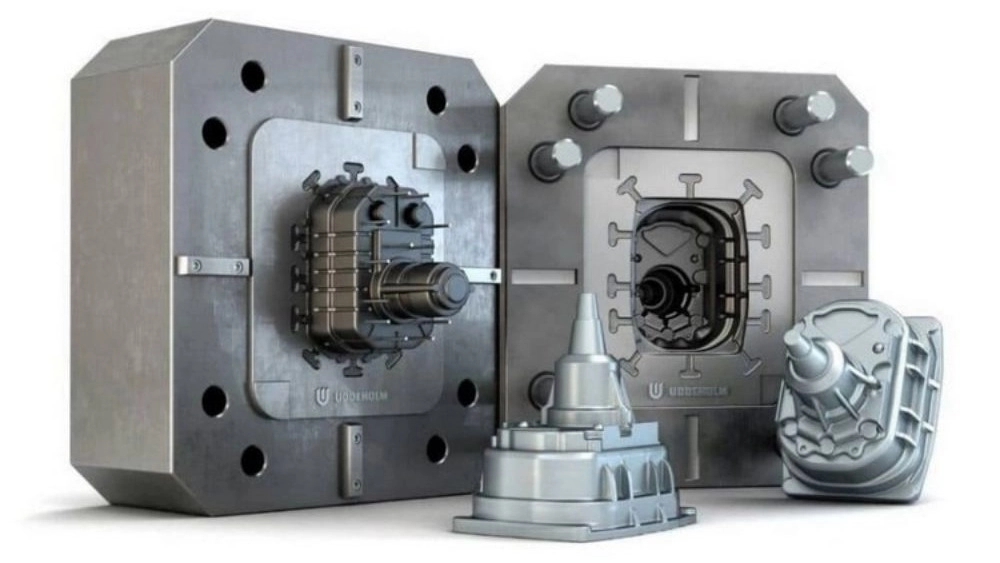
Diecasting is a method for mass production of metal components and parts, and the design of the diecast mold is one of the most important steps in this process, because the shape and characteristics of the mold have a direct impact on the final product. Diecasting pushes the molten metal into the molds with pressure and uses high pressure for this. Therefore, the template must have precise specifications and features to make this possible.
The importance of designing the mold
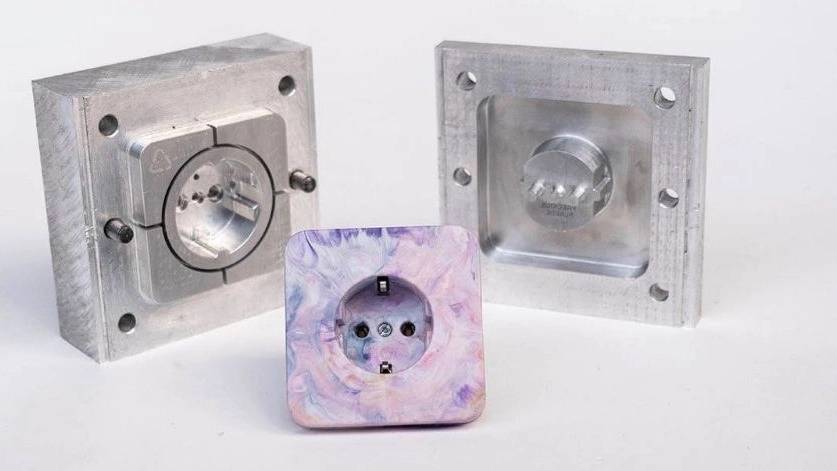
Compliance with the principles of diecast mold design is of particular importance because diecast mold design affects the shape, shape, quality and integrity of the product produced during the diecast process. Incorrect features can lead to tool or material corrosion and poor product quality, while effective design can improve efficiency and production time.
Factors affecting the quality of design design
There are several factors in the design of the template that we should consider when deciding on the features of the template, according to the project at hand. These factors include: - slope - Tapes - Separating lines - Embossing - Grooves - Holes and valves - Symbols - Wall thickness
Slope
Slope is the degree to which the core of a template can be reduced. A precise slope is required to remove the cast metal from the mold, but since the slope is not constant and varies depending on the angle of the wall, characteristics such as the type of molten alloy used, the shape of the wall, and the depth of the mold can affect the process. Mold geometry can also affect the slope. In general, due to the risk of shrinkage, closed holes should be narrowed. Also, interior walls may collapse and therefore require a greater slope compared to exterior walls.
Strips
Tape is a hollow joint used to smooth angled surfaces. Sharp corners can complicate or disrupt the casting process altogether, so most molds have strips that create rounded edges and lower the risk of manufacturing error. Bars can be added almost anywhere in a template, with the exception of separator lines.
Separate lines
The separator line or separator surface connects different parts of a template. If the parting line is not placed carefully or is deformed due to the pressure of the work, the poured material may leak through the gap between the mold parts, and as a result, the molding will not be integrated and there will be many cracks in the part.
Highlight
Embossing is called diecast knots. These nodes play the role of installation points in the design of the template. Manufacturers sometimes add a hole to the inner structure of the embossing to ensure that the thickness of the walls will be uniform in the molded product. Metal cannot be easily filled in deep embossing so a strip or groove will be necessary to solve this problem.
Grooves
Diecast grooves are used to increase strength in products with low wall thickness. Placing grooves can reduce the possibility of cracking due to pressure and disproportionate thickness. It also has a good effect in terms of reducing product weight and improving filling capabilities.
Hole and valves
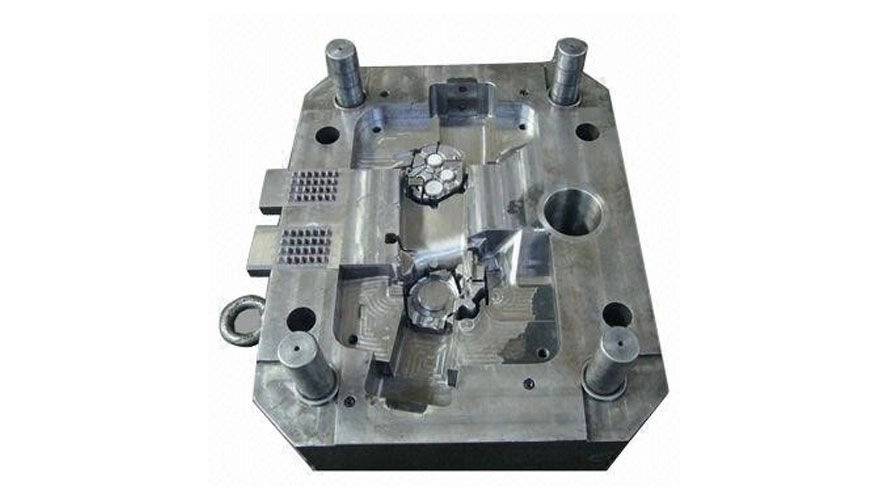
The placement of holes and vents is a fundamental principle of diecast mold design because it directly affects the ease of removing the finished die and helps create the necessary slopes. Other features such as overflow denominators, drains, and cross feeders may also be required to prevent unintended spillage of material into holes or poor material flow around holes.
Symbols
Manufacturers and manufacturers often include the brand name or product logo in the diecast mold design. Symbols usually do not complicate the diecasting process, but their use can affect the cost of production. Especially since the embossed logo or symbol requires an additional volume of molten metal for each piece produced. Conversely, a sunken symbol requires fewer raw materials and can reduce costs.