
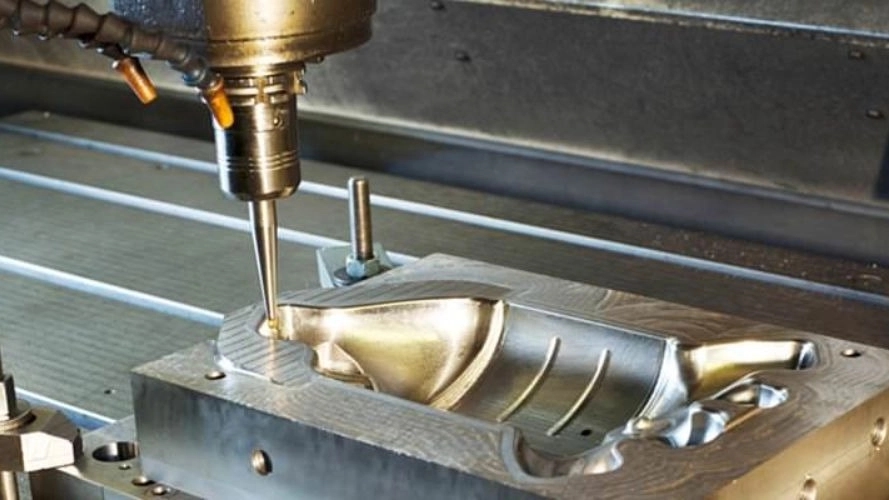
With the advancement of technology and the need for light and resistant parts, the automotive industry has turned to the use of plastic in the manufacture of car parts. The use of plastic injection molds for automotive parts is of great importance as an efficient manufacturing process, as these molds can provide high-quality, high-precision, and mass-produced parts.
Foundations of plastic injection mold for automotive parts
The plastic injection process has become one of the standard methods in the production of plastic car parts. In this method, plastic materials are heated and become molten and then injected into the mold under pressure. This mold, whose design must be carefully based on the shape and dimensions of the final piece, molds the molten plastic into the desired shape. After cooling, the final piece is removed from the mold. The plastic injection molding technique allows car manufacturers to produce parts such as dashboards, handles, bumpers and all kinds of internal and external decorations with high speed and acceptable quality. Important features such as cost reduction, short production time, and the ability to mass produce have made plastic injection molding an ideal option for the production of auto parts.
What is Dikast?
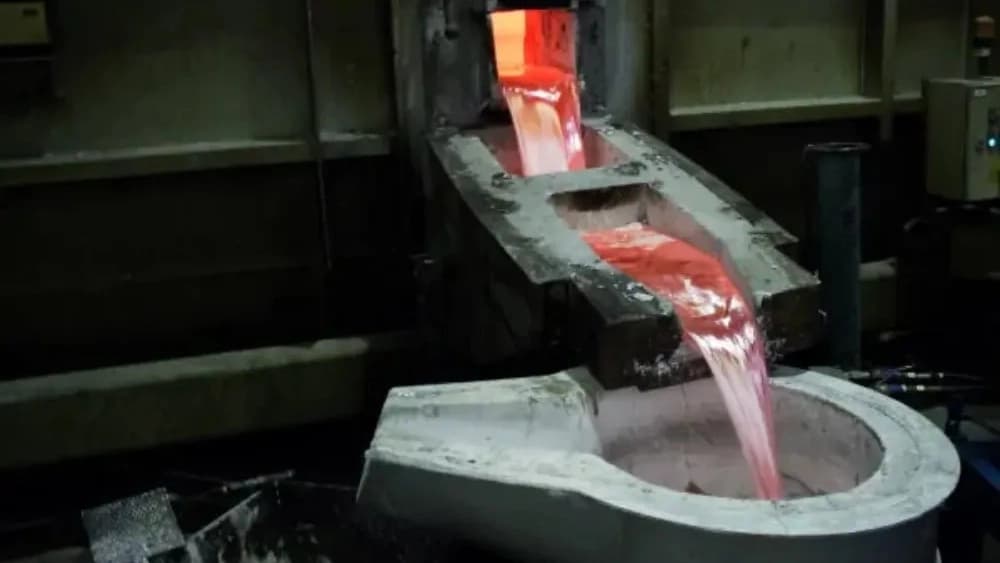
Diecasting is a type of metal casting process that includes the transformation of molten non-ferrous alloys into various molds under high pressure and at high speed, which is used for the rapid production of molded products. This method is widely used in manufacturing various metal parts of industrial and automotive companies.
What is the use of Dikast?
Pressure casting is one of the most efficient methods of manufacturing parts with complex shapes, integrated structure, precise dimensions, quality surface, high strength and suitable hardness. For this reason, this method is widely used in the production of industrial equipment parts and consumer goods, especially car parts. In general, about 60% of die-cast parts are used in the automotive industry. This method is also used in the aerospace industry, electronic equipment, home appliance manufacturing and jewelry making.
Pressure
The first step in the production of parts by pressure casting is the preparation of die cast parts. This template consists of two fixed and movable parts. The fixed part of the mold is placed on the fixed plate of the diecast machine and its moving part is placed on the moving plate of the machine. Among the main activities in the preparation of the pressure casting mold, the following can be mentioned:
Cleaning: Removing the remaining material on each part of the mold and cleaning the surface of the parts after each casting cycle in order to prevent the deterioration of the surface quality of the part. Lubrication: Applying lubricants such as grease or oil to the parts after every two or three casting cycles (according to the mold material) in order to facilitate the opening and closing of the mold. Closing the mold: Connecting the fixed and moving parts, securing them and applying the appropriate force to the mold to keep it stable during the injection of molten materials
The mold preparation process depends on the dimensions of the parts. The larger the dimensions of the mold and machine, the more time and amount required for cleaning and lubrication increases. In addition, on large devices, opening and closing the template takes more time.
Making plastic injection molds for automotive parts
After the design is completed, mold manufacturing begins, which includes various steps such as machining, polishing, and assembly. Mold machining is usually done with CNC machines and requires very high precision, because any error in this step can lead to the production of defective parts. It is also very important to use suitable materials such as resistant steels for making molds.
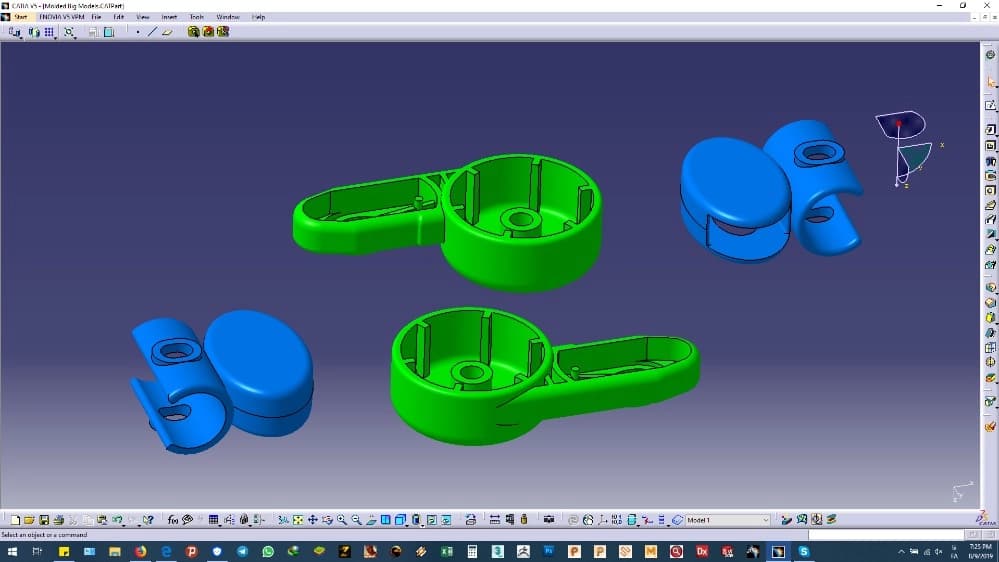
Optimization Solutions Design and Construction of Plastic Injection Mold
Choosing the right steel: Using steel with suitable mechanical and thermal properties that can increase the life of the mold. Use of simulation software: CAE and material flow simulation software facilitate optimal design and reduction of defects. Optimization of the cooling system: With the proper design of the cooling system, the cooling time and the production cycle can be reduced. Regular maintenance of molds: Periodic maintenance and repairs of molds are necessary to avoid additional costs and stop production.
Designing and manufacturing plastic injection molds for car parts is a vital and precise process that requires technical knowledge and high experience in this field. These molds are important as a tool for mass and quality production of plastic parts in the automotive industry and can help reduce costs and increase production quality. Due to technological advances and the use of new methods, mold design for automotive parts is moving towards being able to produce parts with greater accuracy, lower cost, and higher efficiency. These innovations will play a big role in improving the performance and reducing the costs of car production and will help the development of the car industry.